
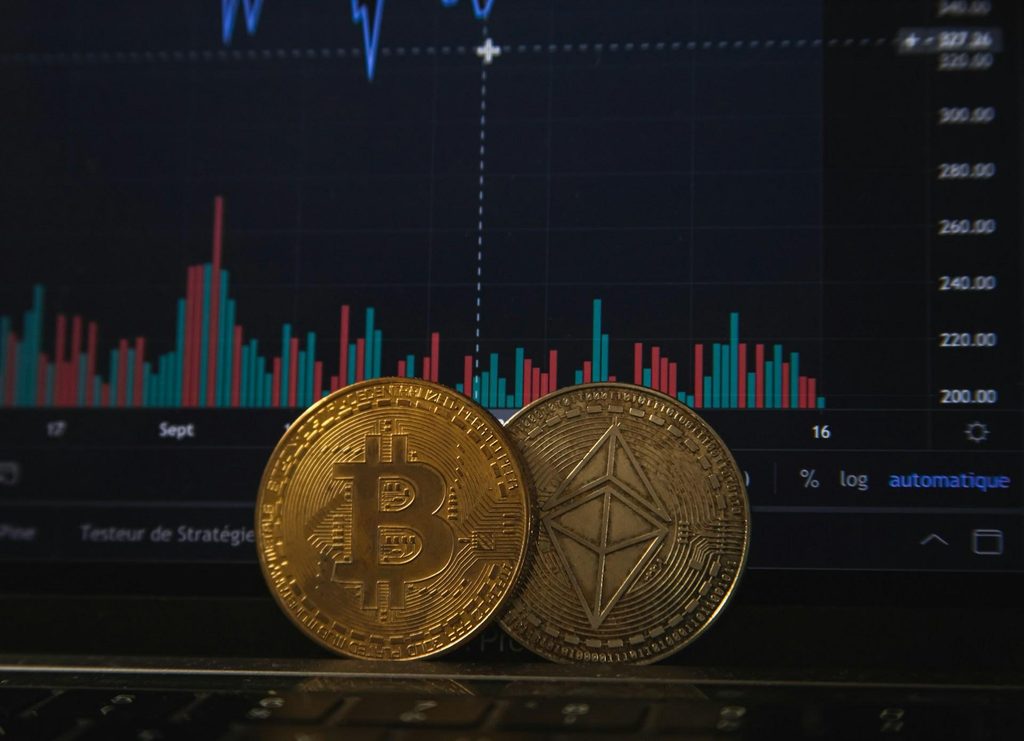
Cryptocurrency markets are famous for their dramatic price movements.
Bitcoin can rise sharply in a single day, while smaller cryptocurrencies sometimes lose a significant portion of their value within hours. For investors, these sudden changes create more than financial uncertainty. They also trigger emotions that can influence when to buy, when to sell, and how much money to risk.
Many crypto investors spend hours researching projects and analyzing charts, yet overlook one of the biggest threats to their portfolios: their own reactions. Fear, greed, excitement, and frustration can easily turn a reasonable investment strategy into a series of impulsive decisions. Understanding how emotions affect cryptocurrency investing is an important step toward protecting your capital.
How Fear and Greed Influence Crypto Investments
Fear and greed are two of the strongest emotions in financial markets, and cryptocurrency provides plenty of opportunities for both. When prices rise rapidly, investors often feel pressure to buy before they miss out on potential profits. This fear of missing out, commonly called FOMO, can encourage people to purchase cryptocurrencies at inflated prices without properly evaluating their risks. A coin that has already gained 100% in a week might continue rising, but it could also experience a sharp correction as early investors take profits.
Fear becomes equally dangerous when markets decline. Imagine buying Bitcoin at €80,000 and watching its price fall to €65,000. Even if your original investment plan was based on a long-term outlook, the sudden loss might tempt you to sell immediately. Sometimes selling is justified, but making that decision purely to escape discomfort can lead to unnecessary losses. Investors who repeatedly buy during periods of excitement and sell during periods of panic often end up doing the opposite of what they intended.
Greed can also encourage excessive risk-taking. After a few successful trades, some investors increase their position sizes or begin using leverage, believing that recent profits prove their ability to predict future price movements. Unfortunately, market conditions can change quickly. A strategy that worked during a strong rally may produce substantial losses when volatility increases or prices move in the opposite direction.
Why Emotional Trading Damages Long-Term Performance
One of the less obvious consequences of emotional investing is how frequently it leads to unnecessary trading. Investors who constantly monitor cryptocurrency prices may feel compelled to react to every small movement. They sell one asset after a minor decline, purchase another because it is trending on social media, and then reverse their decisions when market sentiment changes.
Every transaction can involve trading fees, spreads, and potential tax consequences. Over time, these costs can reduce portfolio performance, particularly when frequent trades fail to generate meaningful returns. Constantly changing investments also makes it difficult to determine whether a strategy is effective because decisions are influenced by short-term market noise rather than consistent criteria.
Another psychological problem is becoming emotionally attached to a particular cryptocurrency. Investors sometimes refuse to acknowledge negative developments because they strongly believe in a project’s future. They may ignore declining adoption, security concerns, or changes in market conditions simply because selling would mean admitting that their original expectations were wrong. This behavior can turn a relatively small loss into a much larger one.
Social media often makes these problems worse. Cryptocurrency influencers regularly share impressive profits and optimistic price predictions, while unsuccessful trades receive much less attention. Comparing your portfolio with these selective success stories can create unrealistic expectations and encourage decisions that don’t match your financial situation or risk tolerance.
How to Keep Emotions From Controlling Your Portfolio
The most effective way to reduce emotional decisions is to establish an investment plan before entering the market. Decide why you want to own a particular cryptocurrency, how much of your portfolio you are comfortable allocating to it, and what circumstances would justify selling. Having clear criteria makes it easier to evaluate market developments without reacting automatically to fear or excitement.
Position sizing is particularly important. If a single cryptocurrency represents most of your savings, even a moderate price decline can create significant emotional pressure. Diversification and limiting exposure to highly speculative assets can help make market volatility easier to manage, although they cannot eliminate investment risk.
It can also be useful to review your portfolio at scheduled intervals instead of checking prices throughout the day. Long-term investors rarely need to respond to every hourly fluctuation. Keeping an investment journal, including the reasons behind each purchase or sale, can help identify recurring emotional patterns and improve future decisions.
Cryptocurrency investing will always involve uncertainty, and no strategy can guarantee positive returns. However, emotional discipline can prevent investors from making avoidable mistakes during periods of extreme volatility. The goal isn’t to ignore emotions completely, but to recognize when they are influencing your judgment.
Ultimately, protecting a crypto portfolio requires more than choosing promising coins. It requires patience, realistic expectations, and the ability to follow a sensible strategy even when the market becomes uncomfortable. Investors who learn to separate temporary emotions from financial decisions are often better prepared to handle both the opportunities and the risks of cryptocurrency markets.